8 Best Clothing Manufacturers for LOW MOQ PRODUCTION
1. Threadline Industries
Website: https://threadlineindustries.com
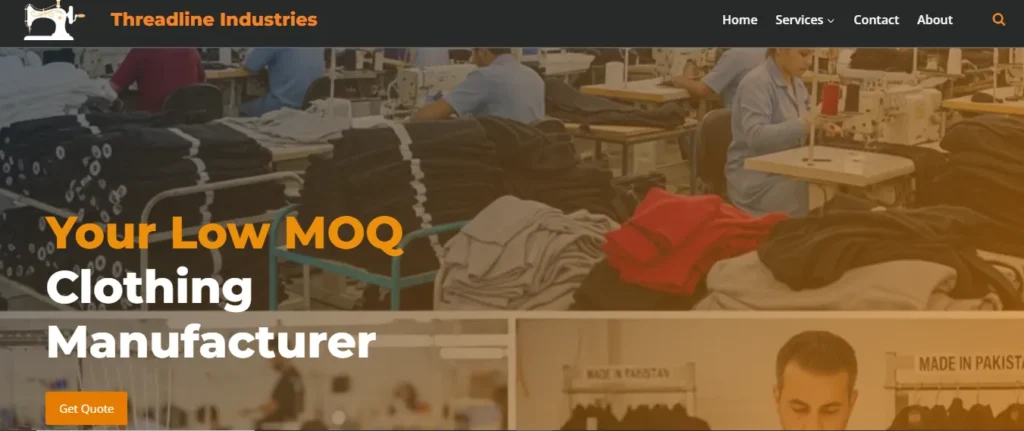
8 Best Clothing Manufacturers for LOW MOQ PRODUCTION. Explore Threadline Industries is one of the first names many startup founders hear when they start looking for low-MOQs with quality results. What often surprises designers new to production is how helpful — and human — the team is. Instead of one brief quote and radio silence, Threadline takes time to understand your design goals, your budget, and even your brand story. That level of attention is rare in manufacturing, especially when your order size is small.
They offer full production support, including pattern making, sampling, cut-and-sew, private labeling, and packaging. Many emerging brands appreciate that they aren’t rushed into buying hundreds of tops before their first design has even been tested. Instead, Threadline works with smaller runs — sometimes as low as 20–50 pieces per style — so you can see how your market responds before you commit to larger orders.
A big reason founders like Threadline is its transparent communication. You won’t be left guessing the status of your order. You get regular updates, clear timelines, and proactive suggestions when something might affect quality or cost.
For brands that care about both product integrity and sustainable growth, Threadline is a dependable partner for small batch runs.
2. Baagh Enterprises
Website: https://manufacturer.clothing
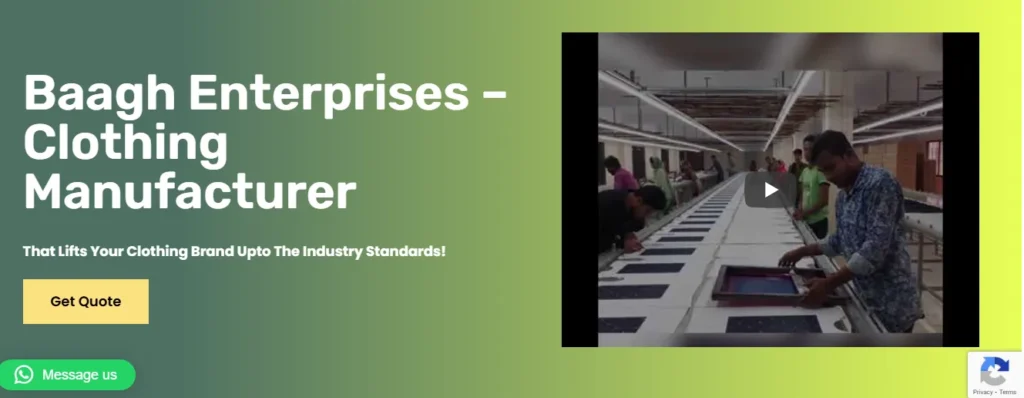
Baagh Enterprises has made a name for itself as a full-service clothing manufacturer that embraces small orders without fuss. They don’t just want to make your clothes — they want to help you build your brand.
One major pain point for new brands is that many manufacturers won’t even talk to you unless you have a big purchase order already drawn up. Baagh breaks that pattern. They are friendly to early-stage founders and offer low MOQ production, usually starting in the low dozens per style.
Their services include fabric sourcing, custom prints and embroidery, private labels, cut & sew production, and final packaging — all under one roof. So, if you aren’t sure how to navigate fabric choices or label decisions, they’ll guide you. Their process typically includes sample rounds so you can approve fit and quality before full production begins.
Several designers mention how Baagh’s team is patient with questions — a small but valuable difference when you’re new to manufacturing and juggling a hundred decisions at once.
3. Grayback International
Website: https://graybackinternational.com
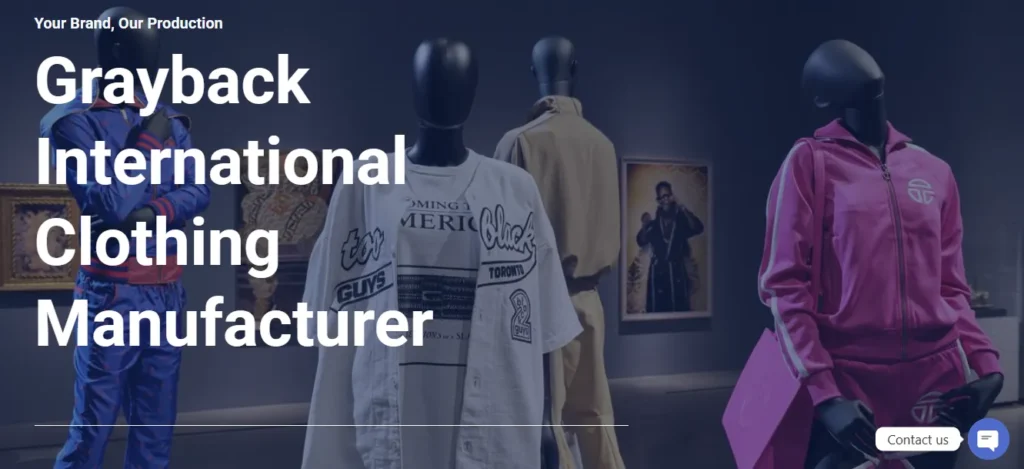
Grayback International is known for working well with brands of all sizes — but what makes them especially valuable for startups is their flexible MOQ approach. They produce a wide range of apparel, including streetwear, athleisure, casual wear, and denim, and they don’t shrink from complexity even when quantities are modest.
The key thing designers appreciate about Grayback is that they combine professional quality standards with a real human understanding of how fashion brands grow. Whether you’re launching your first hoodie line or refining a signature T-shirt fit, Grayback will help you navigate fabric options, printing techniques, and production timelines.
They also offer private labeling, meaning your tags and packaging can reflect your brand identity — a must for a polished launch. And their communication is straightforward, so you aren’t left wondering what’s happening in the production process.
For brands that want to balance quality, customization, and small production runs, Grayback is a strong choice.
4. LowMoqClothingManufacturer.com
Website: https://lowmoqclothingmanufacturer.com
As its name suggests, LowMoqClothingManufacturer.com is entirely focused on helping brands that don’t want to order massive inventory before they’re ready. This manufacturer is designed for startups, designers working on seasonal collections, and niche brands that need flexibility.
They’re especially good for basic garments like T-shirts, hoodies, joggers, and casual tops, but also support more complex pieces depending on your design and materials. One of the biggest benefits of working with them is that they truly embrace low MOQs — often accepting orders as low as 20–30 pieces per design.
The process tends to be collaborative: you share your ideas, their production team helps refine technical aspects (like grading and seam placement), and you approve a sample before moving forward. Because the runs are small, you’re not risking unsold stock if a design doesn’t resonate immediately.
Many founders appreciate that LowMoqClothingManufacturer.com keeps things simple and accessible — perfect if you’re navigating production for the first time.
5. Seam Apparel
Website: http://www.seamapparel.com
Seam Apparel is a U.S.-based manufacturer that appeals to brands wanting to keep production domestic. There’s something uniquely reassuring about working with a partner close to home — no language barriers, fewer time zone challenges, and simpler logistics.
Seam Apparel specializes in small batch production and works with a wide range of fabrics and product types. From soft basics to structured pieces, they help emerging designers go from samples to finished products without requiring huge orders upfront.
One advantage of working with a domestic partner like Seam is the ability to visit the facility (if you choose) — a huge confidence booster for many founders. It also makes fit checks, revisions, and communication smoother, simply because everything operates on a similar schedule.
For brands that prioritize quality and want closer oversight on production, Seam Apparel is a great option.
6. The Evans Group (TEG)
Website: http://www.tegintl.com
The Evans Group, often abbreviated as TEG, is another excellent choice if you’re looking for designer-oriented small batch production. Based in a major fashion hub, they combine the personal touch of a boutique manufacturer with the capabilities of a serious production partner.
What sets TEG apart is their focus on detail and craftsmanship. They’re not just producing T-shirts or hoodies — they help designers fine-tune patterns, understand how fabric behavior will affect fit, and ensure that even small runs maintain designer-level quality.
Their approach suits designers who are serious about how a garment looks and feels, not just how quickly it can be made. MOQs are flexible, and they’re willing to work with brands launching limited editions, seasonal drops, or specialized collections.
TEG is a good fit if you want a partner that treats your brand’s identity seriously — not just as a sales order.
7. Appareify
Website: https://appareify.com
Appareify is a more global clothing manufacturer that still supports low MOQ orders and works well for brands that want a mix of flexibility and professional scale. Many small brands choose Appareify because they offer a wide range of production options, from basic apparel to more technical pieces.
One of the strengths of Appareify is that they don’t just accept small orders, they plan for them. Their processes are built to help emerging brands through sample stages, fabric selection, grading, and production planning — with attention to cost and quality.
Appareify’s production network can also handle things like embroidery, custom prints, and special finishes, giving you more creative freedom without forcing big minimums.
Designers often mention that Appareify communicates clearly throughout the production cycle — a critical advantage when working with partners overseas or across time zones.
For brands that want to scale eventually but start with manageable batches, Appareify is worth exploring.
8. Rifago Industries
Website: https://rifagoindustries.com
Rifago Industries rounds out this list with a strong reputation for low MOQ custom apparel production that doesn’t compromise on quality. Like many manufacturers on this list, Rifago supports small brands by accepting orders as low as 50 pieces per style — sometimes lower depending on the fabric and design complexity.
One thing designers appreciate about Rifago is their private label services. You can create branded tags, custom packaging, and design accents that reflect your brand’s identity — even if you’re only producing a small first run.
Their team also helps with grading and fit advice, which can save money and time in the early stages of production. Instead of guessing whether your pattern will translate well into finished pieces, you get support and checks before the full run begins.
For founders who want a collaborative production partner that values brand expression and quality, Rifago Industries earns high praise.
How to Choose the Right Manufacturer for Your Brand
All eight of the factories above can help you kick off your brand with low MOQ production, but how do you choose the right one? Here are some human tips — not technical SEO fluff — that seasoned designers swear by:
🧵 1. Ask for Samples First
Even if the MOQ is low, pay for a physical sample before committing. Pictures and tech packs are helpful, but a sample shows you how the fabric wears, how seams sit, and how the garment feels. It’s worth the investment.
💬 2. Judge Communication
A manufacturer may sound great on paper, but if they’re slow to respond or vague about timelines, production can get messy fast. Look for clear, respectful communication — especially if there’s a language or time zone difference.
📐 3. Know Your Fabrics
If you’re new to garment production, fabrics can be confusing. Do your homework so you can ask intelligent questions about options, weights, finishes, and sourcing. A good manufacturer will help educate you, but you should also come to the table with basic knowledge so conversations stay productive.
💰 4. Understand Costs vs MOQ
A lower MOQ often means a higher cost per unit, because the factory can’t spread labor or materials over a large batch. That’s okay — it’s a smart trade-off for flexibility and risk management. Just calculate your pricing carefully so you know your margins.
🗓 5. Clarify Timelines Upfront
Ask how long sampling takes, how many revisions are included, and what production timing looks like. Knowing these timelines helps you plan launches, marketing campaigns, and inventory arrivals.
Final Thoughts
Low-MOQ clothing production has become a lifeline for independent designers and small brands. Instead of needing huge investments just to get started, you can now work with manufacturers who understand your journey, support small runs, and help refine your products with care.